


Overview
Step into the heart of Cape Breton’s proud industrial and technological legacy with the Miners Museum & Marconi Trail Tour — a journey that captures the grit, innovation, and humanity that shaped this island’s identity.
From the underground tunnels of the Miners Museum to the windswept cliffs of the Marconi National Historic Site, this 3–4 hour guided tour weaves together the stories of miners, inventors, and maritime pioneers. Each stop reveals how Cape Breton’s people transformed labour, hardship, and creativity into lasting contributions to Canada and the world.
Main Attractions
Cape Breton Miners Museum
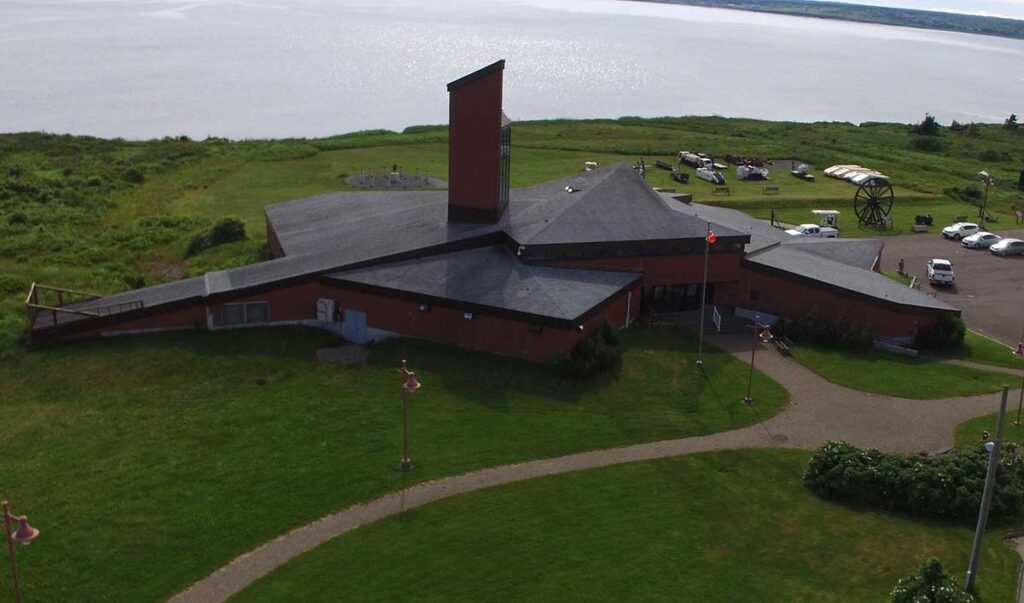
Located in the historic town of Glace Bay, the Cape Breton Miners Museum pays tribute to the thousands of coal miners whose courage and perseverance powered Canada’s growth for more than two centuries. Established in the 1960s, the museum sits atop the Ocean Deeps Colliery, the last working mine in the region, now preserved as an underground tour site.
Visitors descend below ground accompanied by retired miners who share personal stories of life in the mines — the camaraderie, the dangers, and the community built around them. Authentic tunnels, low ceilings, and original tools recreate the conditions under which generations of Cape Bretoners laboured.
Above ground, the museum’s exhibits trace coal’s geological origins, its role in fueling steamships and steel mills, and the global connections it forged through trade. A reconstructed miners’ village includes a company store, boarding house, and miner’s home, providing a vivid window into 19th- and early 20th-century working life.
The Men of the Deeps

A highlight of the museum experience, the Men of the Deeps is a world-renowned choir composed of former coal miners. Formed in 1966 under the direction of Dr. Jack O’Donnell, the choir performs traditional and original songs that reflect the humour, hardship, and heroism of mining life.
Their music has carried Cape Breton’s story around the world — from national television appearances to performances for royalty. Visitors can learn about the choir’s history, listen to recordings, and view memorabilia celebrating their global cultural influence. The choir remains a living link between past and present, honouring the human spirit behind Cape Breton’s coal heritage.
Additional Highlights / Scenic Stops
Glace Bay
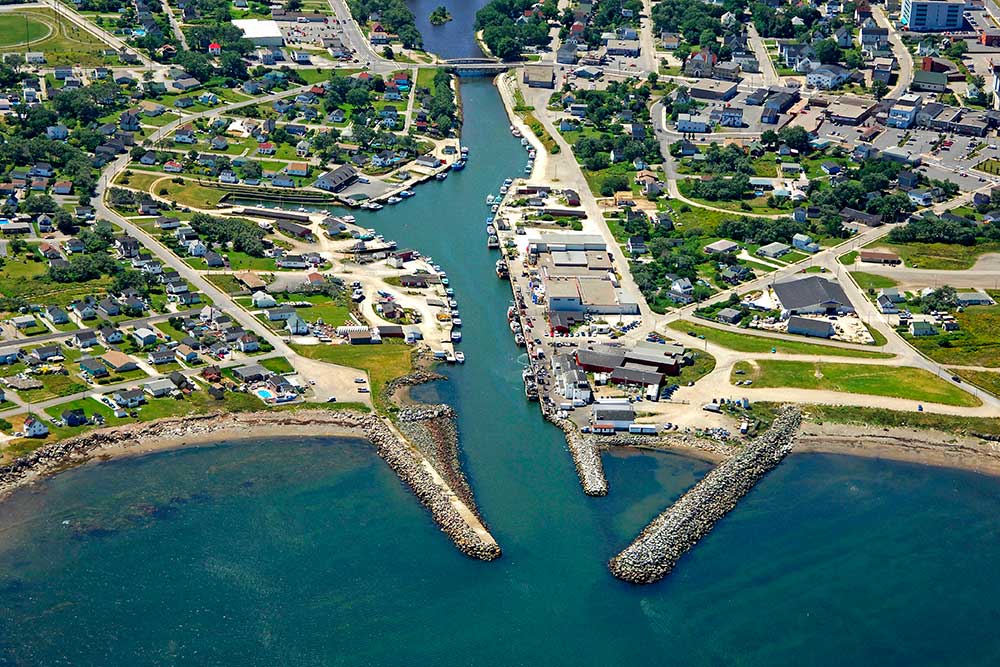
Glace Bay was once the industrial heart of Nova Scotia, built around the coal seams that ran beneath its shores. Incorporated as a town in 1901, it grew into one of the largest mining communities in the British Empire. At its peak in the 1930s, the Dominion Coal Company employed more than 12,000 miners here.
Beyond mining, Glace Bay also developed a strong fishing tradition and became a hub for early wireless communication. Though the last mine closed in 2001, the town continues to celebrate its industrial legacy through heritage attractions, music, and festivals that keep its resilient spirit alive.
Marconi National Historic Site
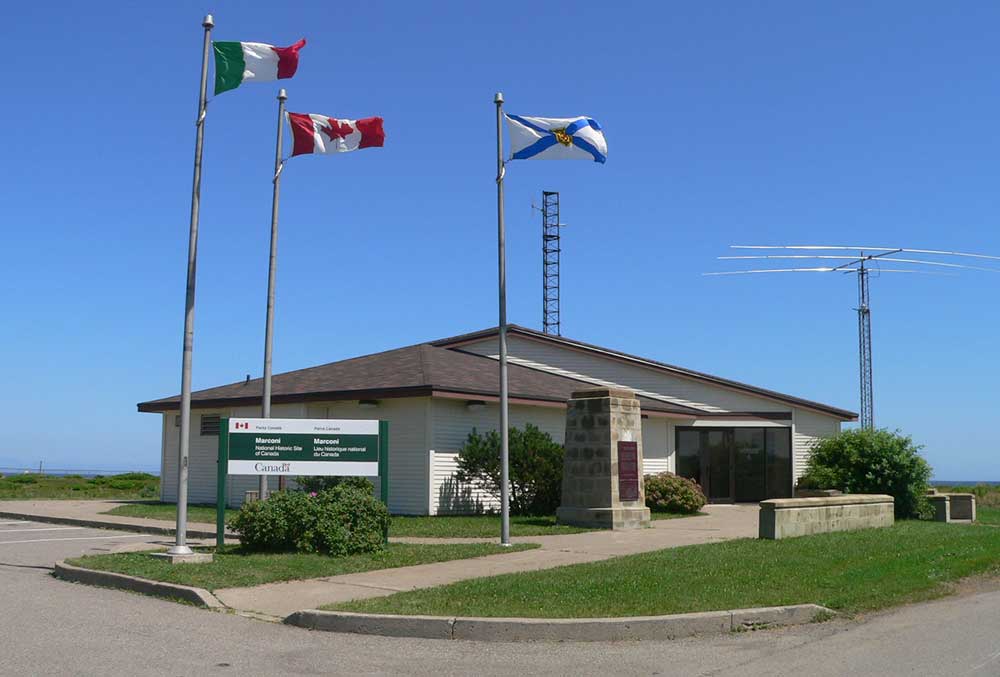
Situated on the rugged coastline of Table Head near Glace Bay, the Marconi National Historic Site commemorates one of the greatest milestones in communication history. It was here that Guglielmo Marconi, the Italian-born inventor, established a wireless transmission station in 1902 and successfully sent the first transatlantic message from North America to Europe.
Designated a National Historic Site in 1939, the area features the remains of Marconi’s transmitter house and towers, along with interpretive exhibits detailing his experiments and the dawn of global radio communication.
The site combines breathtaking ocean vistas with historical significance — a place where visitors can imagine the spark of a world forever connected by sound waves crossing the Atlantic.
Kennington Cove and the Fortress of Louisbourg Connection
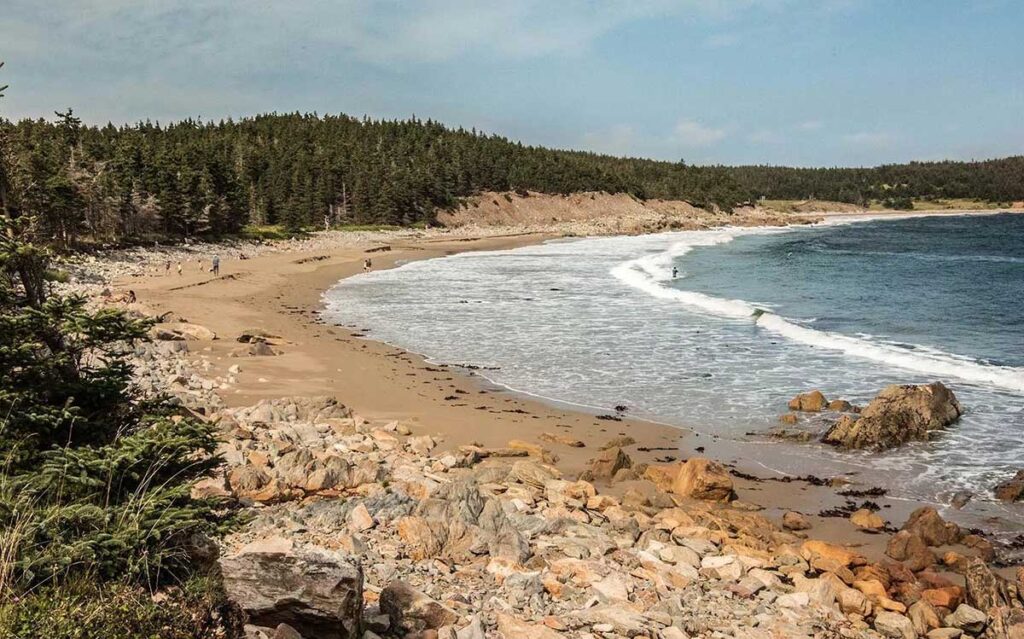
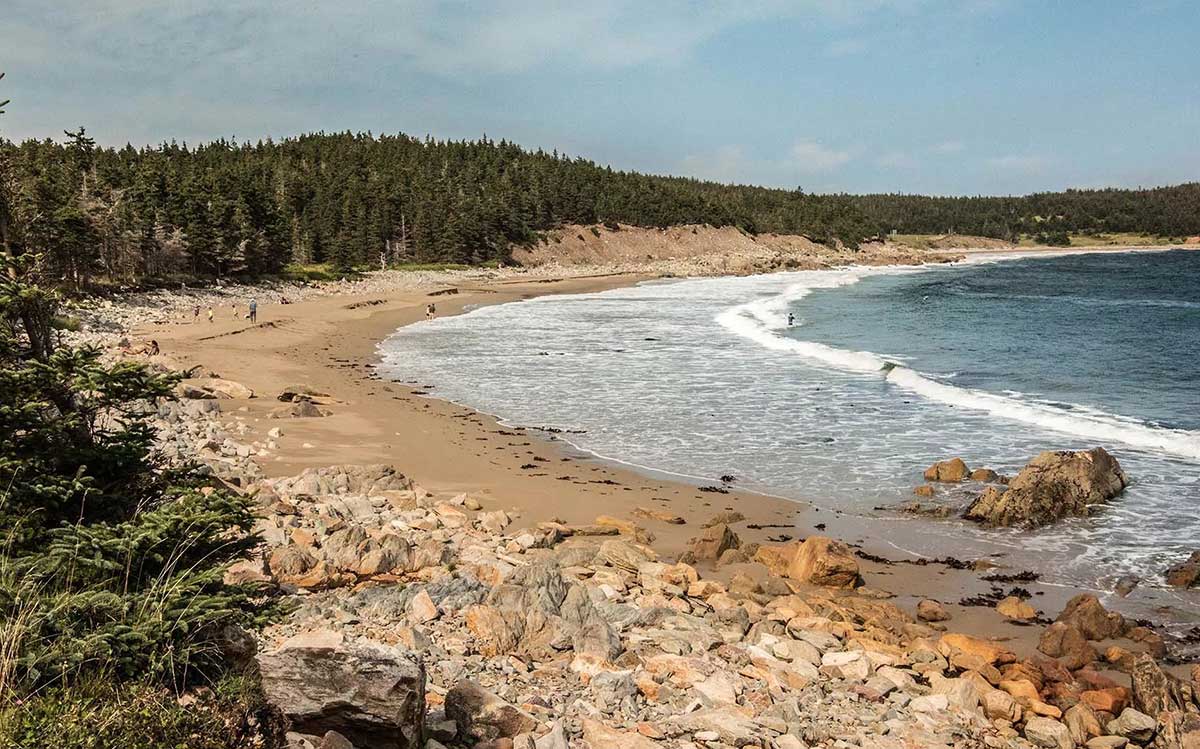
A short drive beyond the Marconi Site brings travellers to Kennington Cove, a sandy crescent within the Louisbourg National Park. It holds deep historical value as the landing site of British troops in 1745 and 1758, who launched assaults that eventually led to the fall of the French fortress at Louisbourg.
Today, the area is a favourite spot for beachgoers and history enthusiasts alike. Interpretive panels recount the dramatic battles fought here, while the surrounding trails offer glimpses of coastal wildlife. It’s a serene yet powerful reminder of Cape Breton’s role in shaping early North American history.
Tour Experience
This tour blends Cape Breton’s industrial past with its pioneering spirit of innovation. Guests begin inland, exploring the miners’ world — from the claustrophobic tunnels of the Ocean Deeps Colliery to the warmth of the museum’s exhibits and the soulful voices of the Men of the Deeps.
The route then transitions from underground stories to the open sky, as travellers make their way toward the Atlantic cliffs where Marconi changed the course of communication history. Along the way, the driver-guide shares fascinating anecdotes about local families, mining songs, and the community transformations following the decline of coal.
Photo opportunities abound: the Atlantic crashing against Table Head, the tranquil coves of Louisbourg, and the preserved industrial heritage of Glace Bay all offer visual contrasts that make this drive uniquely memorable.
Duration & Availability
- Duration: 3–4 hours
- Availability: Daily, spring through autumn (weather permitting)
- Best For: History enthusiasts, families, and visitors interested in both industrial and scientific heritage.
- Pick-Up/Drop-Off: Sydney Cruise Terminal or accommodations within the Cape Breton Regional Municipality.
- Includes: Guided commentary, museum entry, and photo stops at key heritage sites.