


Overview
The Blackett’s Lake Tour offers a refreshing journey through the serene inland landscapes and historic communities of Cape Breton. This 1.5-hour excursion takes guests along scenic waterways, cultural landmarks, and historically rich mining towns that once powered the region’s economy. From the tranquil shores of Blackett’s Lake to the cultural spirit of Glace Bay, every stop reveals a chapter of Cape Breton’s story — one shaped by nature, hard work, and innovation.
Main Attractions
Blackett’s Lake
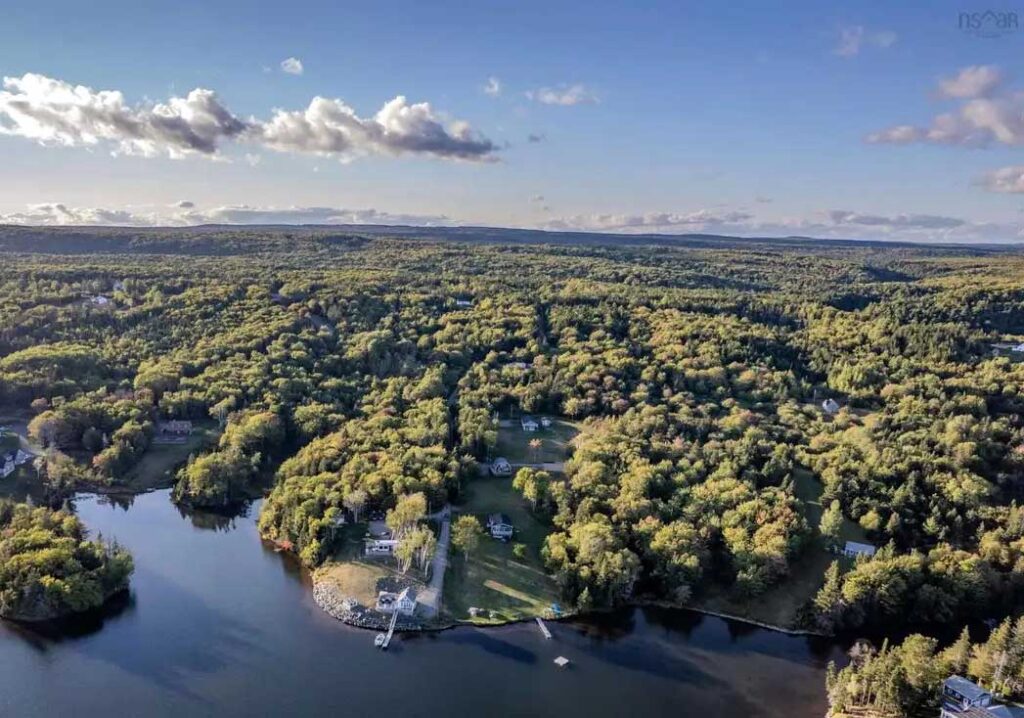
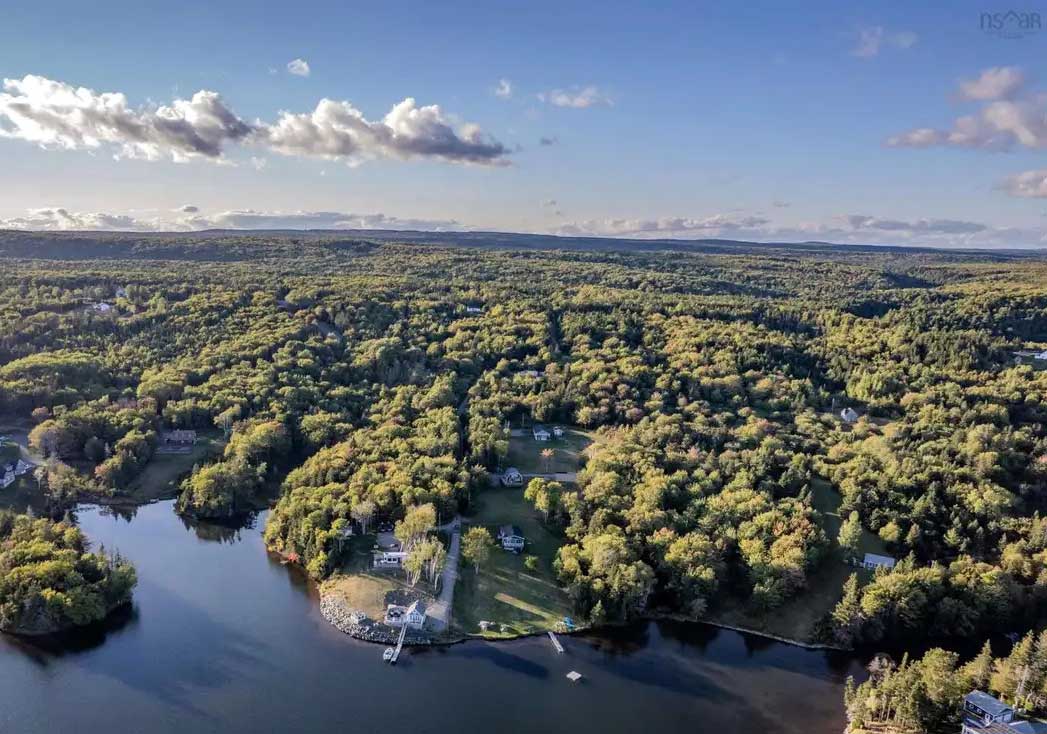
Nestled within the Cape Breton Regional Municipality, Blackett’s Lake is both a peaceful community and an important watershed. It serves as the headwaters of the Sydney River and its tributaries, playing a vital role in the region’s ecosystem. The lake is recognized for being the northernmost habitat of the Yellow Lamp Mussel, a rare freshwater species.
Named after Walter Blackett, who settled on its shores after moving from Prince Edward Island in the 19th century, the area carries a strong pioneer legacy. Walter’s father, William Blackett, famously founded the nearby mining town of Glace Bay. Visitors today can enjoy the lake’s scenic beauty and calm waters, which reflect Cape Breton’s enduring balance between natural preservation and community life.
East Bay Sand Bar
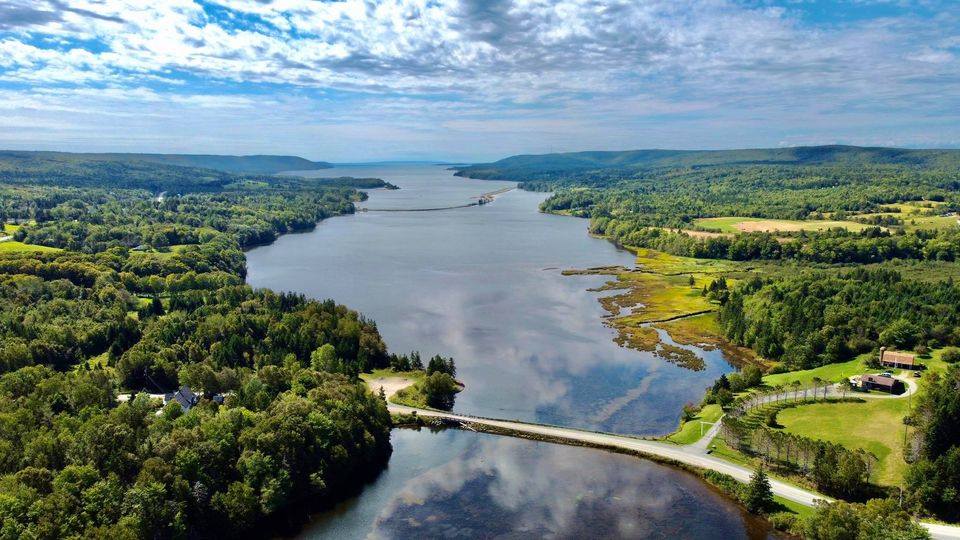
Continuing eastward, the route leads to the stunning East Bay Sand Bar, a narrow, elongated arm of the Bras d’Or Lake — a UNESCO Biosphere Reserve that defines Cape Breton’s geography. The bay stretches for 41 kilometres from its mouth to Portage, with a total shoreline of nearly 78 kilometres.
Its waters are brackish, blending fresh and saltwater through the North Atlantic’s restricted channels, creating a rich habitat for birds, fish, and plant life. Culturally significant to the Mi’kmaq People, East Bay has long supported mussel farming and recreational boating. The annual East Bay Regatta and Ben Eoin Marina bring sailors and visitors together, making this spot both ecologically and socially vibrant.
Additional Highlights / Scenic Stops
Miners Museum
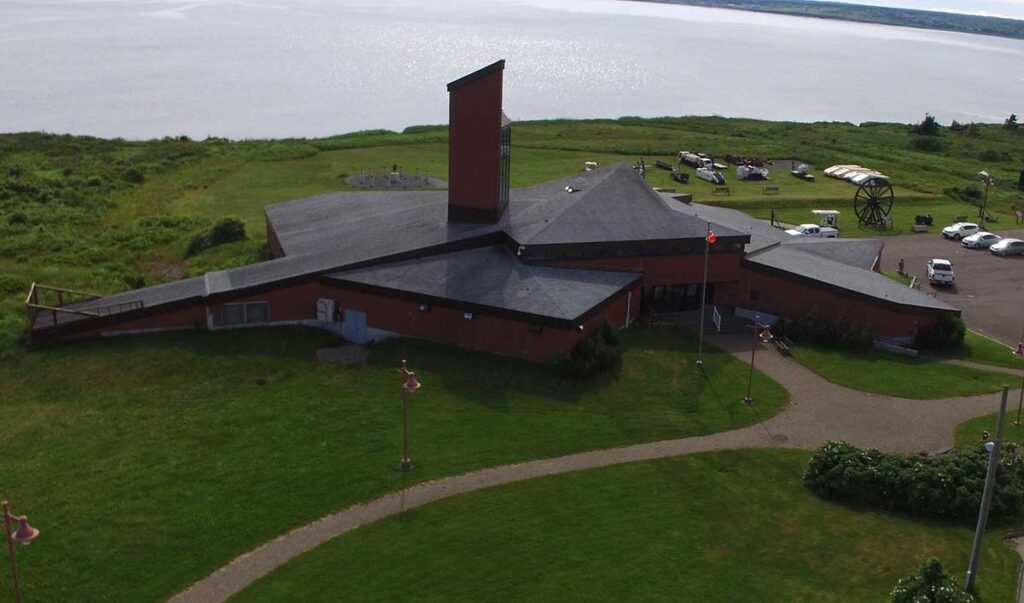
Located in Glace Bay, the Miners Museum commemorates the lives and legacy of Cape Breton’s coal miners — the men and families whose labour fuelled Canada’s early industry.
The museum features immersive exhibits that trace the geological origins of the coal fields and their influence on community life. The highlight is the Ocean Deeps Colliery tour, where visitors descend underground with retired miners who share firsthand stories of the mining era.
The recreated Miners’ Village showcases 19th-century life with a company store, homes, and chapel, while the renowned choir, The Men of the Deeps, performs moving songs that honour the miners’ spirit. The museum preserves Cape Breton’s deep-rooted industrial history and emotional connection to its coal heritage.
Coal Mining History
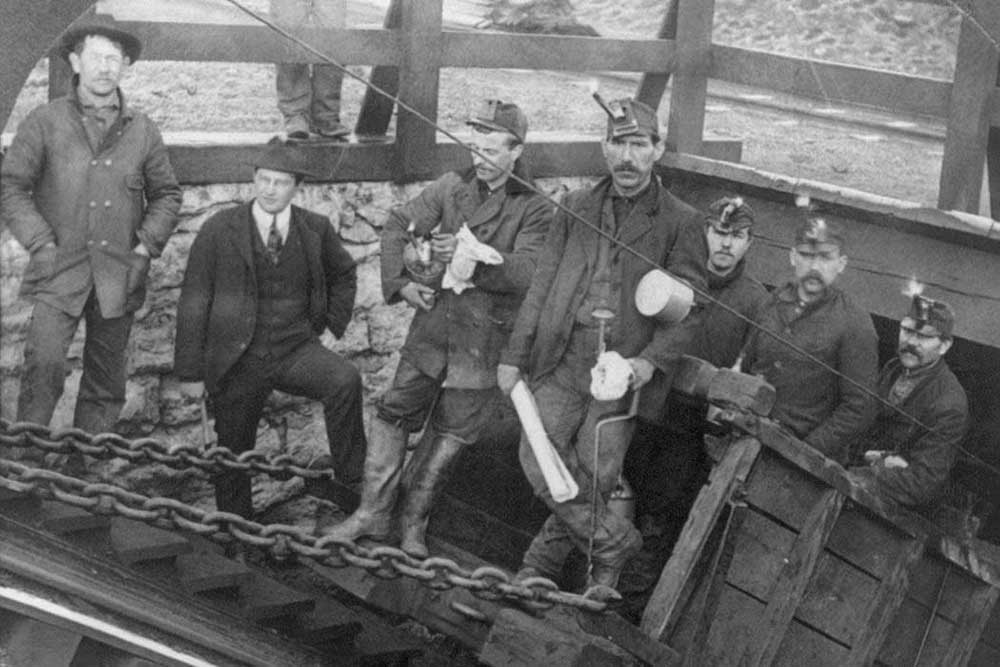
Coal mining began in Port Morien in 1720 — the first commercial mine in North America. The industry later spread to Glace Bay, becoming one of the largest and most productive coal regions in the early 20th century.
At its peak, over 25,000 miners worked in the southeast Cape Breton collieries. However, undersea challenges, high-sulphur coal, and global competition led to the gradual decline of the industry by the 1960s.
Despite its hardships, the coal trade defined Cape Breton’s identity, producing generations of hardworking families whose stories are celebrated through local museums, songs, and monuments.
Glace Bay
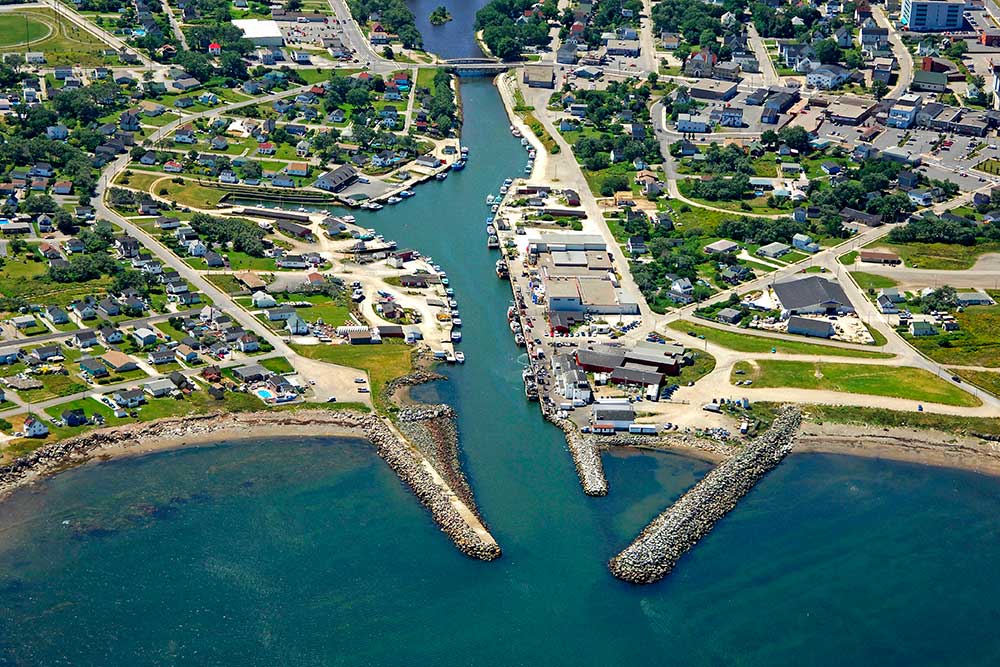
Once known as the “Labour Town of the North,” Glace Bay emerged from the expansion of the Dominion Coal Company in 1893. The community attracted workers from across Europe and grew rapidly until the last mines closed in the 1980s.
Beyond mining, Glace Bay has a strong fishing heritage, though declining stocks in the 1990s shifted the local economy again. Today, it thrives on culture and tourism, home to the Cape Breton Miners Museum and the Marconi National Historic Site. Glace Bay continues to honour its labour roots while looking ahead through heritage tourism and community revitalization.
Marconi National Historic Site
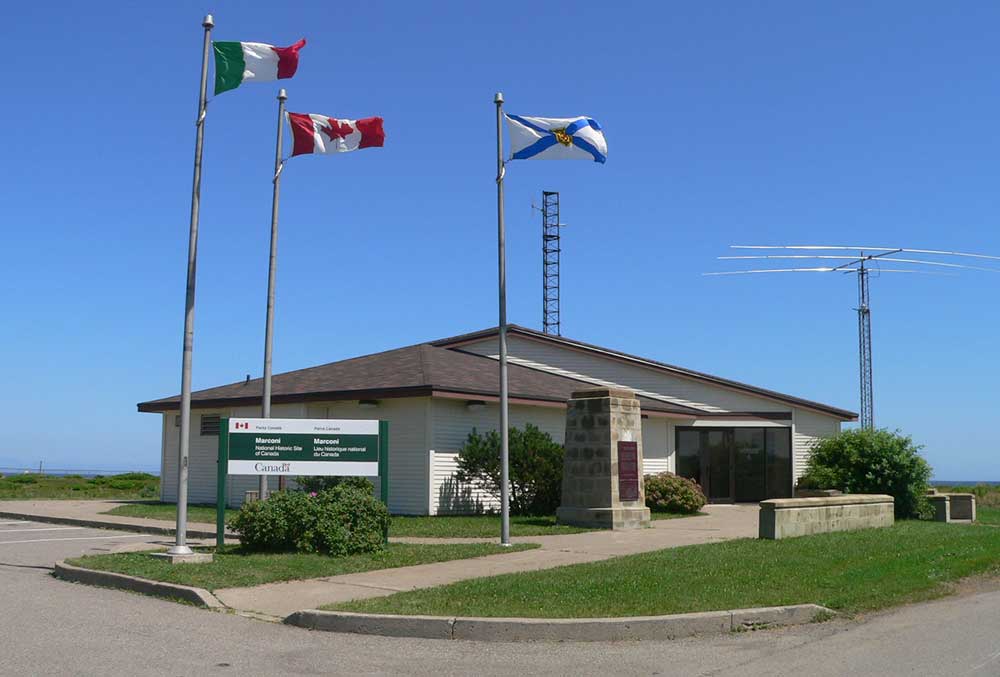
Perched above the Atlantic Ocean near Glace Bay, this site marks a defining moment in global communication. Here, Guglielmo Marconi transmitted the first transatlantic wireless message from North America to Europe on December 15, 1902.
Designated a National Historic Site in 1939, the location features remnants of Marconi’s original telegraph towers, powerhouse, and receiving room foundation. Visitors can explore exhibits explaining how these early experiments laid the groundwork for modern radio and wireless technology.
The site combines breathtaking ocean views with scientific history, symbolizing both innovation and Cape Breton’s connection to the wider world.
Tour Experience
The Blackett’s Lake Tour unfolds at a comfortable pace, combining natural tranquility with vivid storytelling. Travellers can expect to see the contrast between Cape Breton’s lush landscapes and its industrial heritage — from glistening freshwater lakes to the historic coal mines that once defined entire towns.
Knowledgeable guides share insights into local life, from miners’ tales to Mi’kmaq traditions and maritime stories. The journey offers multiple photo stops, including opportunities to capture panoramic views of the Bras d’Or Lakes and coastal inlets.
Passengers often remark that this tour feels like stepping through the pages of Cape Breton’s history — where each landmark speaks of resilience, innovation, and community.
Duration & Availability
- Duration: Approximately 1.5 hours
- Availability: Seasonal (spring to autumn recommended for best views)
- Best For: Travellers seeking a mix of natural beauty, heritage, and history.
- Pick-Up/Drop-Off: Sydney Cruise Terminal or nearby accommodations.
- Tour Type: Guided drive with optional short walks at key stops (weather permitting).